Why a Sturdy Bulkhead Is Vital for Coastal Residential Property Security
A strong bulkhead plays an important role in shielding coastal residential properties from extreme environmental forces. It serves as an obstacle against waves, avoiding disintegration and prospective damages to homes. Past its protective function, a well-constructed bulkhead can enhance the aesthetic appeal and market price of a property. The performance of these frameworks depends on proper upkeep and adherence to laws. Recognizing these aspects is crucial for any seaside homeowner. What implications do these factors to consider have for lasting investments?
The Function of Bulkheads in Coastal Defense
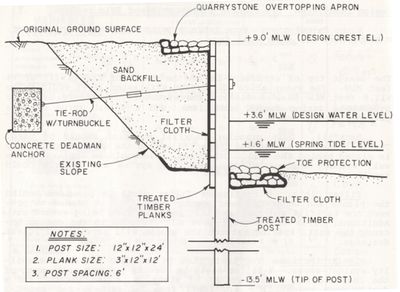
Bulkheads act as necessary frameworks in coastal defense, giving an obstacle against the ruthless forces of waves and erosion. These vertical structures, commonly built from steel, concrete, or timber, are made to redirect and soak up wave energy, as a result guarding the shoreline. By preventing the land from being surpassed by water, bulkheads play an important duty in maintaining the integrity of coastal properties. They are typically utilized in areas where the coastline is especially prone, such as inlets, estuaries, and extremely established coastlines.
Beyond their protective function, bulkheads can also add to environment preservation, using stability for adjacent ecosystems. They can support plants that additional improves seaside durability. The performance of a bulkhead relies on correct design and installation, customized to particular environmental conditions. Ultimately, bulkheads are indispensable in the wider strategy of coastal management, acting as a frontline defense versus the vibrant pressures of nature.
Stopping Erosion and Home Damage
Effective coastal management needs a complex method to stop erosion and building damages. This includes employing strategies that combine all-natural and engineered remedies. Bulkheads function as a substantial obstacle against wave action, successfully reducing the impact of tidal pressures on coastlines. By absorbing and deflecting power from inbound waves, bulkheads assist stabilize the land and prevent dirt loss.
Neighborhood awareness and participation also play an important role, as educated locals can take part in practices that lower human influence on seaside ecological communities. Inevitably, a detailed approach that incorporates both infrastructure and natural systems is necessary to guarding seaside residential properties from erosion and damages.
Enhancing Visual Charm and Home Value
Coastal buildings often profit greatly from improvements that improve both visual allure and home worth. A tough bulkhead not just offers a functional objective in securing against disintegration yet likewise adds to the overall aesthetic attractiveness of a waterfront residential or commercial property. By offering a tidy, defined limit in between land and water, a properly designed bulkhead can improve the landscape, complementing the all-natural beauty of the coastline.
In addition, the presence of a high quality bulkhead can signify to possible purchasers that the building is properly maintained and resilient versus ecological obstacles. This perception can cause boosted market price, as customers usually focus on homes with robust defense versus seaside dangers. In addition, aesthetically pleasing bulkheads can integrate materials and layouts that line up with regional building styles, additionally elevating the residential or commercial property's appeal. Inevitably, the investment in a strong bulkhead can generate significant returns in both visual and financial elements for coastal homeowner
Long-Term Expense Financial Savings and Investment Defense
Buying appropriate seaside residential property defense can bring about substantial long-term cost savings. A durable bulkhead serves as an obstacle against disintegration and flooding, minimizing the possibility of costly fixings and upkeep that can arise from environmental damages. By stopping soil loss and safeguarding frameworks, residential or commercial property proprietors guard their financial investments, ensuring that the worth of their residential or commercial property stays steady or even appreciates with time.
Moreover, the preliminary financial investment in a durable bulkhead can yield economic advantages in the future, as insurance rates may decrease due to lessened threat direct exposure. Characteristics with effective seaside defenses are commonly a lot more eye-catching to buyers, better enhancing their marketability. Bulkhead on Lake Livingston. Eventually, a sound bulkhead not just fortifies the property versus nature's aspects but likewise strengthens a proprietor's economic standing, making it a wise selection for those wanting to protect their seaside investments
Navigating Laws and Upkeep for Bulkheads
Exactly how can building proprietors ensure their bulkheads satisfy neighborhood regulations and remain in ideal problem? Understanding of neighborhood legislations is essential, as bulkhead building and maintenance often drop under details zoning and environmental guidelines. Homeowner need to consult their city government or environmental companies to recognize necessary permits and conformity needs. Routine inspections by qualified professionals can identify architectural concerns and prospective violations before they rise.
Upkeep methods, such as regular cleanings and prompt fixings, are essential for lengthening the bulkhead's life expectancy. Homeowner must likewise think about seasonal climate influences, ensuring that drain systems are clear and useful. In addition, utilizing long lasting products that hold up against severe coastal problems can avoid early degeneration. By staying proactive and notified concerning regulations and upkeep, homeowner will improve the efficiency of their bulkheads, guaranteeing seaside defense while abiding with lawful standards.
Often Asked Inquiries
How Do Bulkheads Effect Local Wildlife Habitats?
Bulkheads can considerably change neighborhood wildlife habitats by limiting natural coastlines, interfering with sediment circulation, and restricting accessibility to feeding and breeding locations for various species, potentially leading to lessened biodiversity and community health and wellness in seaside regions.
What Materials Are Ideal for Constructing a Bulkhead?

Can I Develop a Bulkhead Without a License?
In lots of territories, creating a bulkhead without an authorization is unlawful. Rules frequently require permits to assure compliance with ecological requirements and local zoning laws, making it necessary to consult local authorities prior to continuing.
How Long Does a Bulkhead Normally Last?
A bulkhead typically lasts in between 30 to half Full Report a century, depending upon products, ecological conditions, and maintenance. Routine examinations and prompt repair work can expand its lifespan, guaranteeing ongoing efficiency in securing seaside homes from disintegration and damage.
What Are the Indications of a Failing Bulkhead?

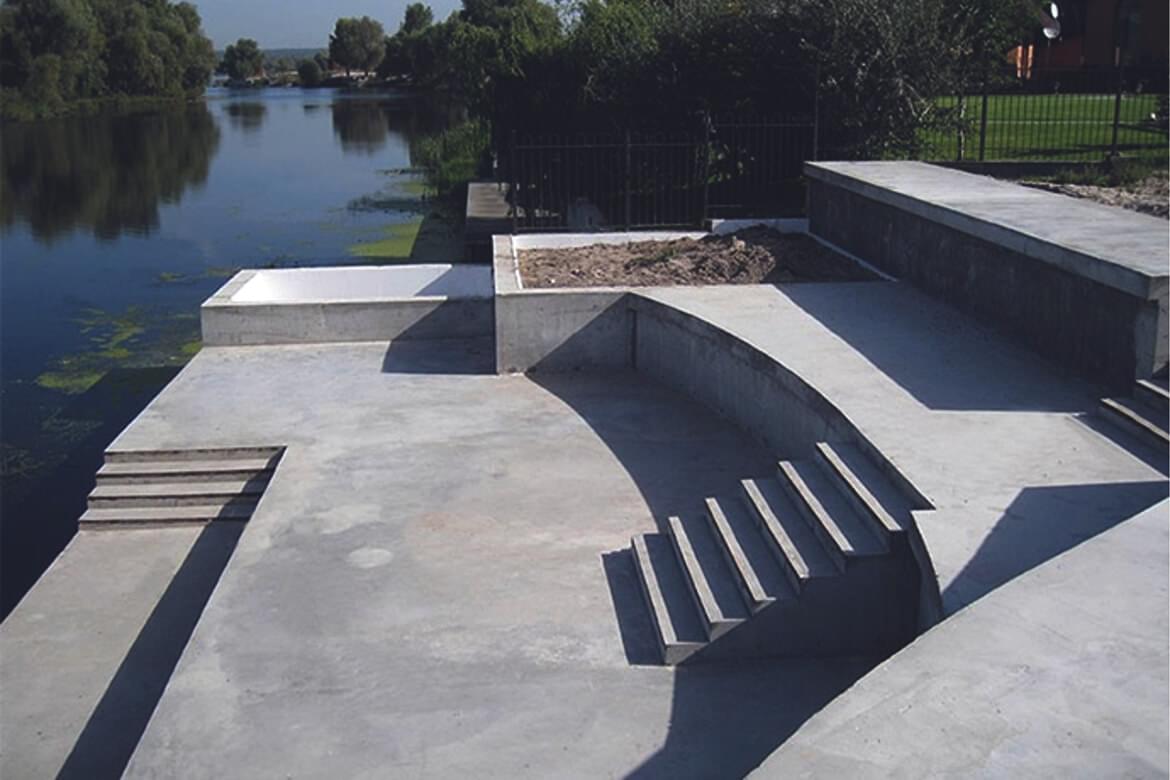
Indicators of a failing bulkhead consist of visible cracks or bending, dirt erosion behind the structure, excessive water pooling, turning or leaning, and corrosion or degeneration in wood parts, showing architectural concession and possible failing. (Bulkhead on Lake Livingston)
A tough bulkhead plays an important function in protecting coastal buildings from severe environmental pressures. By preventing the land from being surpassed by water, bulkheads play a critical role in maintaining the honesty of seaside residential or commercial properties. A durable bulkhead not just offers a useful objective in shielding versus erosion yet also adds to the overall visual appearance of a home beachfront residential property. Furthermore, the existence of a high quality bulkhead can indicate to possible customers that the residential property is properly maintained and durable against ecological obstacles. How can property proprietors guarantee their bulkheads meet local laws and try these out remain in excellent condition?
Comments on “Bulkhead on Lake Livingston for Businesses: Design Tips”